 |
Long Island Nitrogen Action Plan (LINAP) News & UpdatesWelcome to the first LINAP Quarterly newsletter! This newsletter highlights the activities that our LINAP partners are engaged in to reduce nitrogen in Long Island’s surface and ground waters. Newsletters will be sent quarterly with relevant updates on the advances being made throughout the planning and action phases. In between newsletters, bulletins with additional information about LINAP will also be sent to this mailing list. This issue’s topics:
What’s Next |
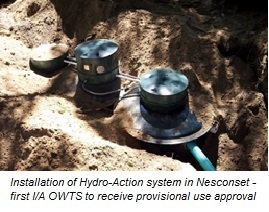 through its NYSDEC-funded Septic/Cesspool Upgrade Program Enterprise (SCUPE). Over the last year (Phase I), it monitored six Innovative/Alternative Onsite Wastewater Treatment Systems (I/A OWTS) at 19 residential sites. This September, the first approval was granted for an I/A OWTS technology for provisional use countywide. More Phase I technology approvals are anticipated by the end of the year. The County expects up to 20 more installations of I/A OWTS comprised of eight additional technologies during Phase II of the I/A OWTS demonstration program. Phase II installations are expected to begin in late 2016/early 2017.
 model for Long Island as part of its ongoing water-quality assessments of the Nation’s principal aquifer systems. One early use of the model is to delineate the groundwater recharge areas (groundwatersheds), travel times, and outflow rates to upwards of 1,000 receiving surface waters. These include all those on the state’s Priority Waterbodies List. The groundwatershed delineation is being done in cooperation with the NYSDEC. Once the new island-wide model is documented, it will be available for future LINAP nitrogen loading studies.
 and Bloomberg Philanthropies, the Center’s initial focus is delivering affordable, high performance technology that can efficiently remove nitrogen and other contaminants from household wastewater and replace or retrofit existing cesspools and septic systems. The Center is currently piloting a series of Nitrogen Removing Biofilters: passive, non-proprietary systems that have demonstrated an ability to achieve up to 90 percent nitrogen removal, along with efficient removal of contaminants of emerging concern. In addition to this potentially near-term solution, the Center is pursuing additional research and development efforts aimed at improving the nitrogen removal efficiency and cost of constructed wetlands, permeable reactive barriers, and membrane bioreactor technology. An ideal resource for emerging and established businesses in the field of onsite wastewater treatment, the Center is equipped with unique analytical capabilities and subject matter expertise that can help prove and propel a wide range of technologies.
 rates and sources are needed to prioritize regions most in need of nitrogen remediation. SoMAS is working with NYSDEC, Suffolk County, The Nature Conservancy, and the USGS to develop Nitrogen Load Model (NLM) assessments for hundreds of Suffolk County watersheds. The NLM has been validated by comparing its predictions to empirically measured nitrogen. The NLM uses multiple rates and land use parameters to predict the amount of nitrogen released into a watershed from all major sources, including wastewater, fertilizer, stormwater, and atmospheric deposition, and the fraction that is ultimately delivered to the estuary. The NLM recognizes that nitrogen on Long Island is transported primarily via groundwater.
 PEP’s water quality strategy in the Peconic Bays. Important steps have been taken to reduce point source discharges, including development of a Total Maximum Daily Load (TMDL), establishment of a No-Discharge Zone and upgrades to the major sewage treatment plants. However, since nonpoint source loading accounts for 70% of the land-based load to the Peconic watershed, in 2013 the PEP made nonpoint source load reduction a top priority in its

 concern identified in the Long Island South Shore Estuary Reserve Comprehensive Management Plan. The Reserve has provided funding to the following key partner projects that support the LINAP:
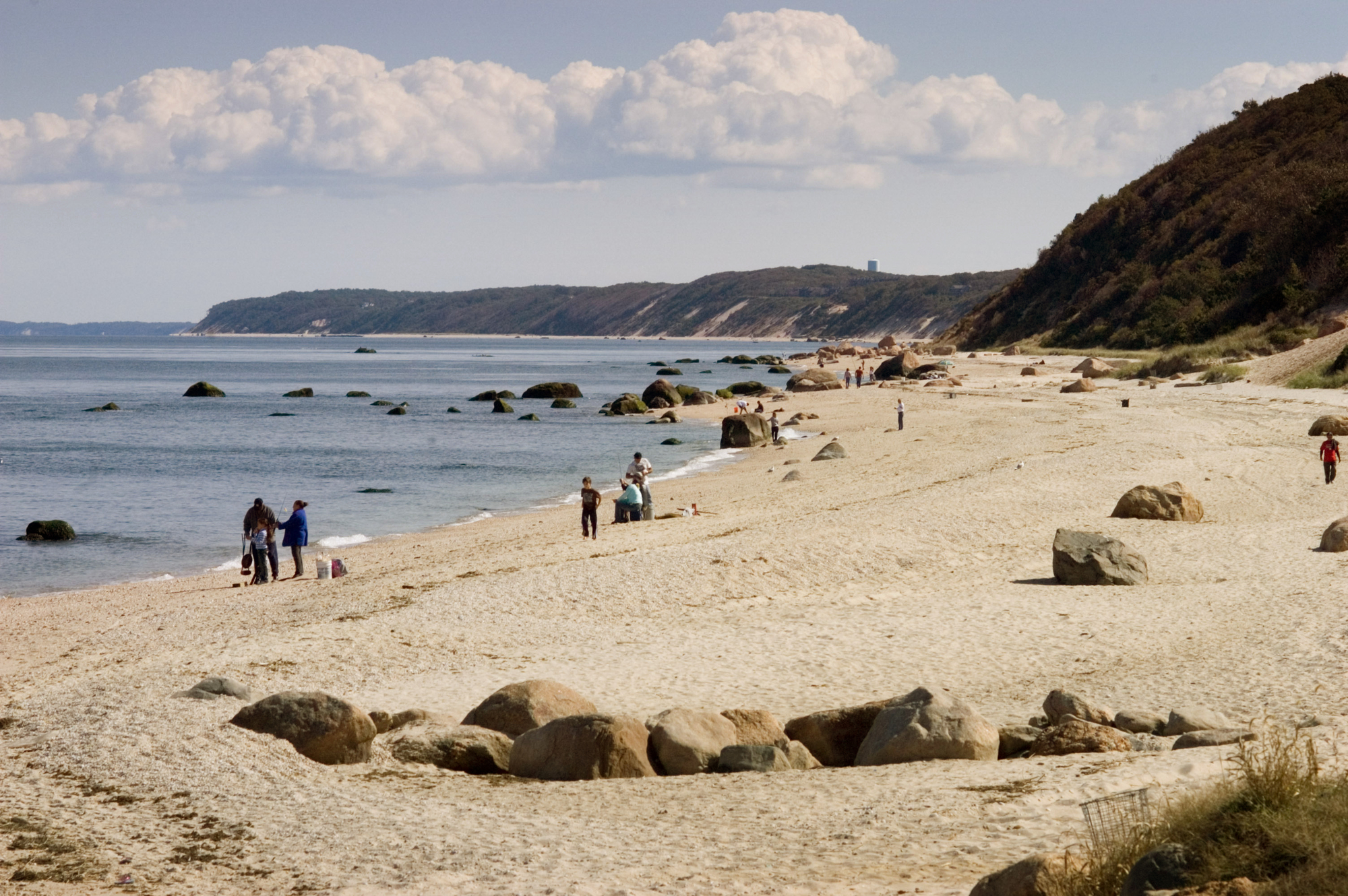 loading to groundwater and surface water through technical, management, and regulatory/policy actions. Nitrogen is the leading cause of water quality deterioration in Long Island’s estuaries. It comes primarily from wastewater and fertilizer. Effluent from onsite wastewater disposal systems (cesspools and septic systems) reaches groundwater, which ultimately reaches our bays and estuaries. Excess nitrogen causes algal blooms that lead to low oxygen conditions, fish kills, and degraded wetlands and marine habitats. Nitrogen also contaminates the groundwater that becomes our drinking water.
 input and issued in June 2016. Many of the LINAP tasks listed in that scope are underway as part of the Early Action Track (12 to 18 months). The remaining tasks will be completed as part of the Full Term Track (36 to 48 months). LINAP will be developed through a broad partnership, which includes NYSDEC, the LIRPC, Suffolk and Nassau County, local governments, area scientists, numerous environmental organizations, non-governmental organizations and a cadre of consultant services. Also, the LINAP development process recognizes that there are many activities targeting mitigating nitrogen impacts on water quality currently underway. LINAP will not duplicate these ongoing efforts. Rather, it will work in parallel with these efforts with the goal of developing a robust nitrogen loading reduction plan for Long Island.
Footer
Contact
STAY INFORMED
Enter your email address to receive email updates from the LIRPC:
Connect


